
If only we lived in an ideal world
In an ideal world, authorities with the power, resources and responsibility to enforce animal welfare regulations, would do it. On receiving credible reports and evidence of neglect, they would take action against breeding establishments which cause dogs to suffer. They might even be proud of their actions and publicise their commitment to the public who do not want to see animals neglected and harmed.
We live in a world where all too frequently this does not happen. My last blog post discussed an area where low welfare breeders and rescues come into contact.
Before reading further please know that I understand the many difficulties faced by rescues. It is not their responsibility to bring to account breeders who keep dogs in conditions which cause them to suffer.
Discussing something, asking questions, debating, is not the same as attacking. It is possible to highlight an aspect of rescue work and disagree with actions taken (or not), and still have respect for what is done for vulnerable animals by rescues. I can hold both thoughts at the same time.
I write this with the full agreement of the rescue involved. They wish this to be in the public domain and I am happy to do my bit here.
A little over two years ago a small rescue contacted me. They had been asked to take in a number of dogs from a breeder. The dogs were in various states of neglect. It was distressing for the rescue, but they did everything to help the dogs recover their health and move onto better lives. A short while later the rescue was once more asked by the contact to do the same again, different dogs, similar neglect and suffering.
I asked whether they would be willing to report to the authorities, with no real expectation they would do so. To my surprise, in addition to helping the individual dogs in their care, they wanted to do something more. They did not want to continue taking neglected dogs from the same source time and again without trying to change things. I helped to connect them with the right people to give reports to. We hoped some action would follow to improve conditions for the dogs.
I heard no more until a few months ago. They contacted me expressing great frustration about the whole process of reporting and trying to do the right thing while the authorities appeared unwilling to do anything with the evidence they had provided.
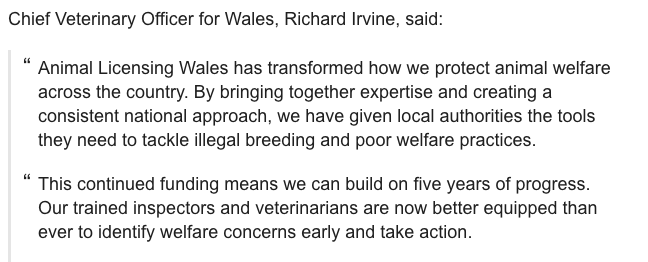
I was disappointed. I had believed, probably naively, that if detailed evidence of neglect was given to Animal Licensing Wales, including veterinary reports and interviews, action would result. I had seen the press releases following the Welsh Government confirming earlier this year, £1 million in continued funding for ALW to support local authorities in enforcing regulations.
I’ve applauded successful prosecutions. I have seen good things happening after decades of Wales gaining an unsavoury reputation for puppy farming and illegal breeding.
So to hear details of a case involving obvious welfare concerns being reported, with no apparent action, two years on, makes me question my belief that if rescues would only report what they see happening, the authorities will respond and protect the dogs. It is a long held frustration of mine that rescues with direct knowledge of breeders over many years who neglect dogs, do not report what they know.
Yet here was an example of a small rescue willing to do this, with their vet giving up hours of time to provide clear evidence of neglect. And the result?
Nothing.
Silence.
When pressed for answers as to why the evidence is apparently gathering dust in the corridors of power in Carmarthenshire, the Local Authority claimed to need a lot more detail and information before authorising any investigation. Yet in the press release announcing the continued funding of ALW, it clearly says that inspectors are ‘better equipped than ever to identify welfare concerns early and take action’. That is the not experience of this rescue.
Hundreds of dogs from the same breeding operation have been taken in by at least four different rescues in the last couple of years. Three of them have reported to the authorities, expressing welfare concerns and giving evidence of neglect and suffering. Yet that seems insufficient for the Local Authority to authorise Animal Licensing Wales to start an investigation. It is hard to see this inaction by Carmarthenshire Council. But, it is a council with a long history when it comes to dog breeding and puppy farming.
So while I remain frustrated at the unwillingness of big rescues which repeatedly work with breeders over many years and do not report what they know, I am a million times more frustrated by, and angry with the authorities which have the legal responsibility, resources and power to protect the dogs and do not. They are the only ones who can bring perpetrators of neglect and cruelty to account.

